Pau
Fonseca
Casas
Professor Col·laborador en Modelització i Simulació: Bessó Digital
Pau
Fonseca

Ph.D. in Statistics and Operations Research from the Polytechnic University of Catalonia (UPC). Professor of the Statistics and Operations Research department at the UPC, teaching in the field of Simulation, Data Processing, Operations Research and Statistics. At InLab FIB he leads simulation projects related to industrial and environmental fields. He has more than 25 years of experience in projects related to modeling and simulation and is the author of more than 100 academic articles related to this area. He is member of Committee 4.0 of the professional associations of engineers of Catalonia, and codirector of the master’s degree in Industry 4.0 of Fundació UPC (https://www.talent.upc.edu/esp/estudis/formacio/curs/202500/master-industria-40/). He is also co-founder of a company, Polyhedra Tech (http://polyhedra.tech/), focused on provide tools and solution in the frame of Simulation, Environmental Modeling and Industry 4.0.

Final Degree Projects directed

Estudiant:

Raúl Sáez Medina

Estudiant:

Jose Marcos Ríos Sánchez

Doctoral theses completed

Main projects directed

SDL-PAND

Generate a web application to analyze alternatives and define a work methodology that allows establishing a common framework for the different specialists.

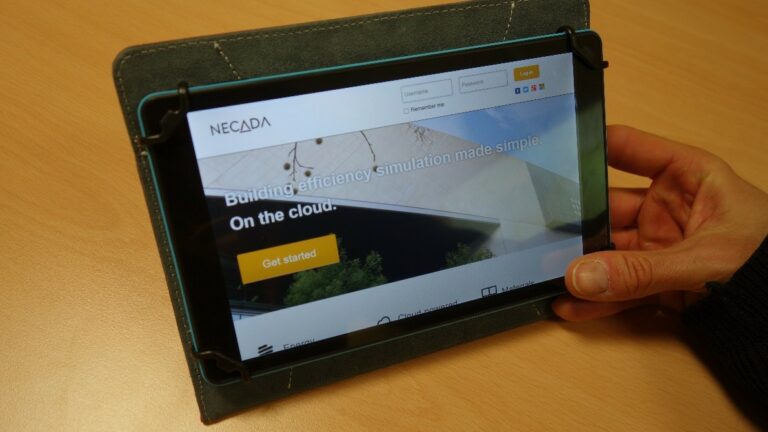
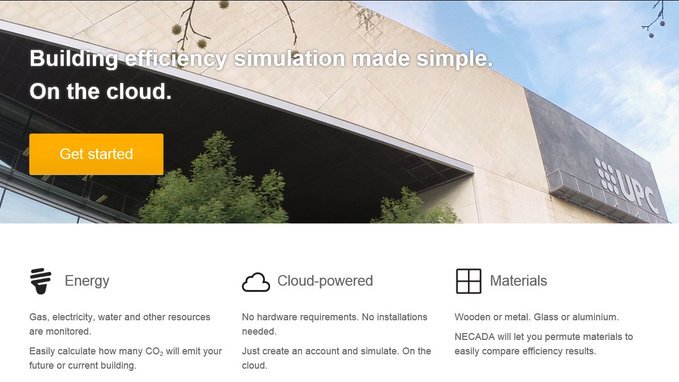
NECADA

Hybrid infrastructure that supports running a simulation model in the cloud

Intelligent System for the Management of Energy Efficient User Behavior in Buildings (ACE) for Lavola and VIAS

Designing and developing a prototype to improve the energy efficiency of buildings.

Main projects participated

Simulation of the flow of a snow avalanche.

Understanding better the dynamics of snow avalanches to determine the direction they will take if they occur.

Simulation of the new Barcelona airport terminal

Simulation of the new Barcelona airport terminal

Information System for the Carles Pi i Sunyer Foundation

Center for research, study and promotion of knowledge on local government and autonomous communities.

Blog articles